
It's nearly 38°C.
The summer heat is turning Saigon into a giant oven. I felt like a piece of salted bread, soaking in sweat beneath the relentless afternoon sun. The royal poinciana trees lining both sides of the street stood proudly in full bloom, their flaming red blossoms adding even more fire to the endless blue sky. Though we face this weather every year, not once have I been able to tolerate the heat.
I came home in a soaking wet school shirt. My hair carried the smoky scent of hours spent under the sun without a hat, and my body couldn't bear the burning sensation any longer. Without hesitation, I reached for a big glass of iced chrysanthemum tea.
The first sip traveled slowly down my throat. In an instant, the heat dissolved. It felt as though life had quietly returned to my body. Looking back, the bridge between heaven and hell was nothing more than a simple glass of iced chrysanthemum tea.
My mother ran a small coffee shop from our home during those years. Coffee was never difficult to find—in fact, I probably drank more coffee than most children should. Yet coffee always felt like a luxury of leisure, something to be savored when life slowed down. Tea was different. Tea was a necessity.
I remember drinking chrysanthemum tea almost every day growing up. We drank it after school, before meals, while chatting with neighbors, or simply because the day was warm—which, in Saigon, was almost every day.
No matter who you are, how old you are, what you do, or where you come from, a glass of Vietnamese iced tea has a remarkable way of calming the spirit. The gentle bitterness of the tea, softened by pure ice and wrapped in the delicate aroma of chrysanthemum, lingers long after the final sip. Ask anyone who grew up in Vietnam, and they'll probably remember that feeling instantly. And for many visitors, this humble glass of tea often becomes the first unexpected moment that makes them feel as though they've somehow arrived home.
When it's hot, we drink tea.
When it's cold, we drink tea.
When we celebrate, we drink tea.
When life feels heavy, we drink tea.
Six-year-olds drink tea.
Ninety-year-olds drink tea.
We begin the day with tea.
We end the day with tea.
Drinking tea is more than a daily ritual. It's a quiet expression of acceptance. When someone offers you a cup of tea, they're saying something words often cannot:
You belong here.
Perhaps nowhere is that more beautifully expressed than during a Vietnamese wedding tea ceremony.
The bride and groom respectfully offer tea to their parents and parents-in-law as a gesture of gratitude—for a lifetime of love, sacrifice, and guidance. As the parents receive the tea, they also receive a new son or daughter into the family. Without saying it aloud, they're expressing something deeply beautiful:
"From this day forward, you are my child, and I will love and care for you as my own."
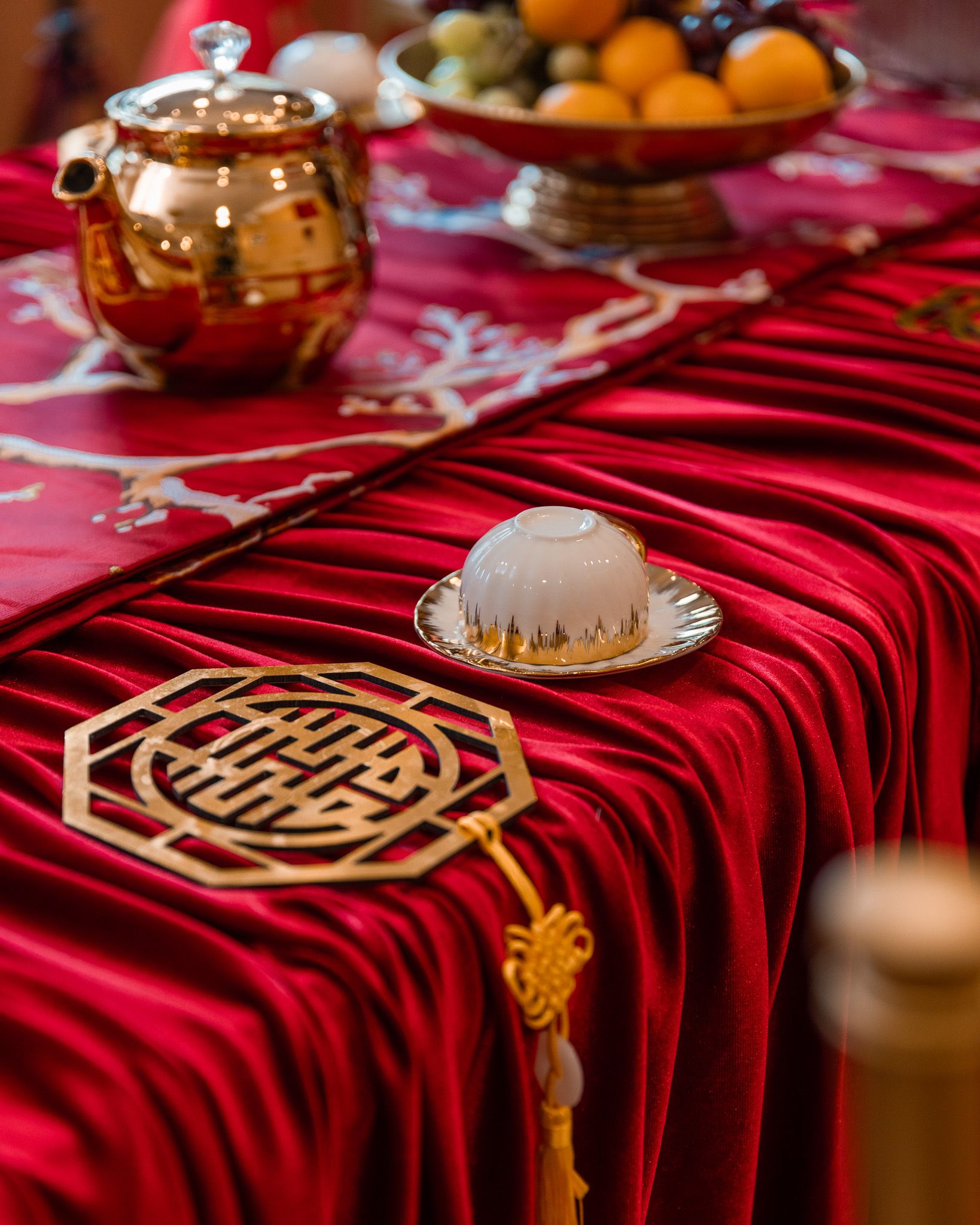
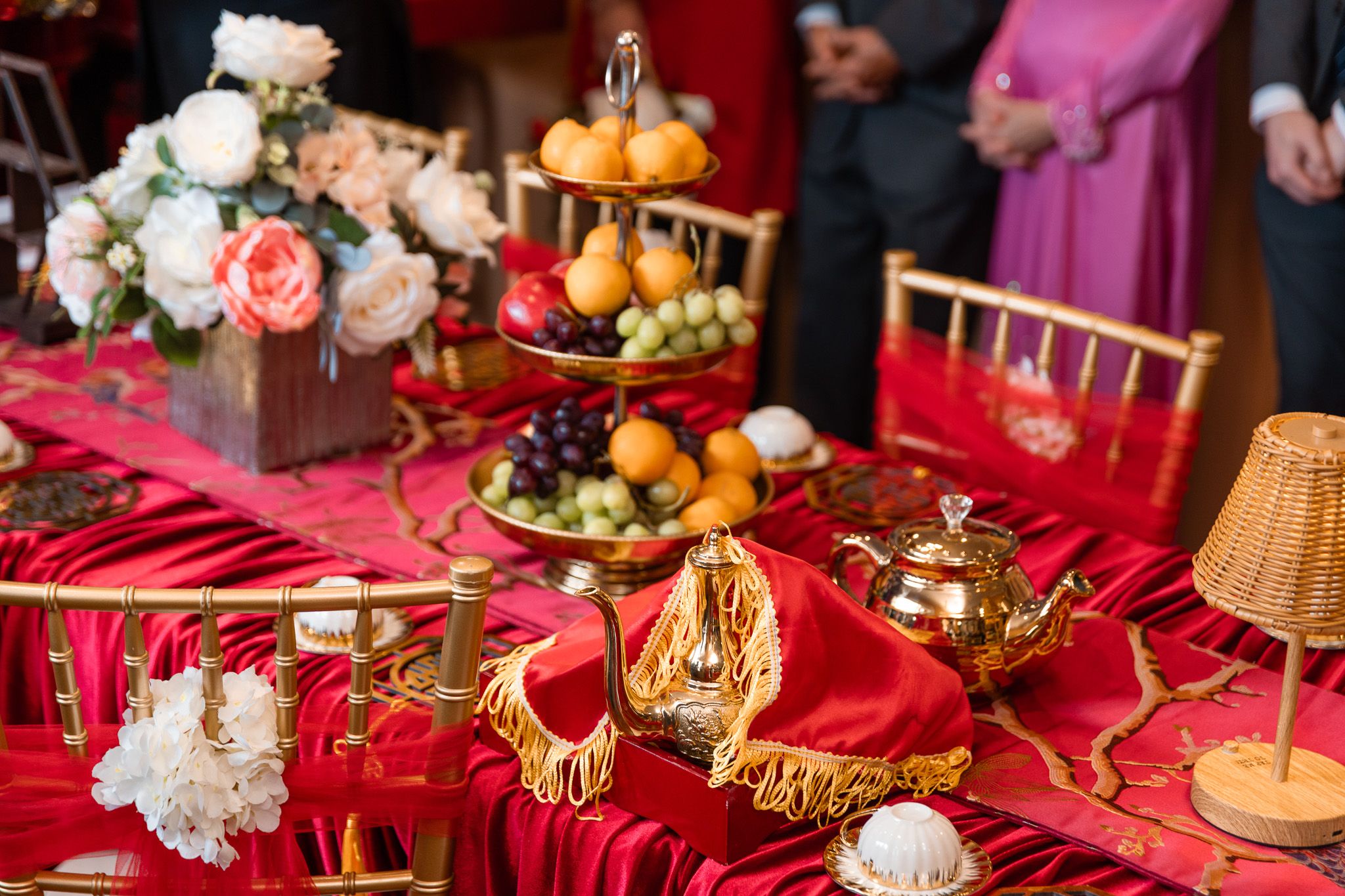
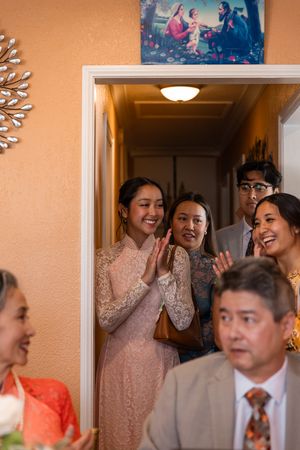
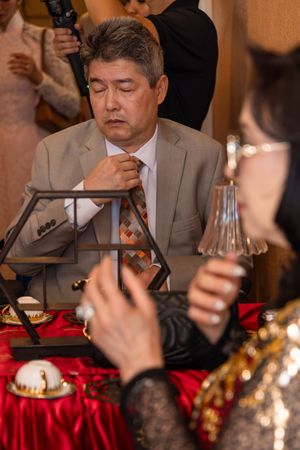
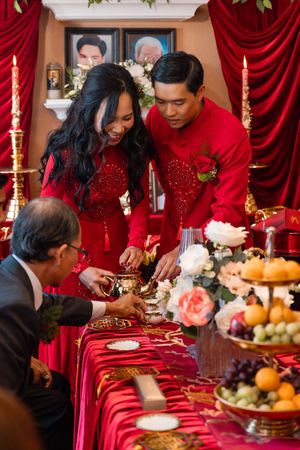
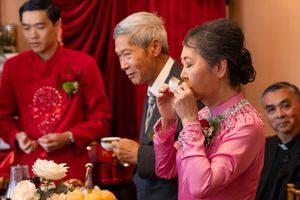
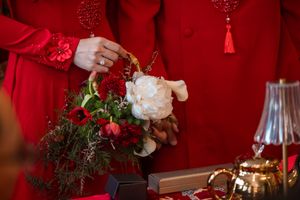
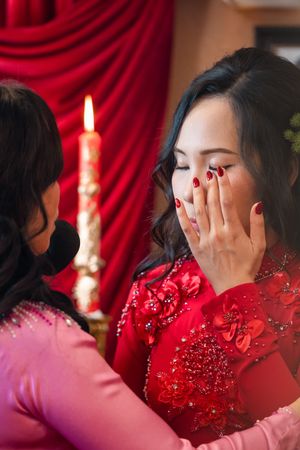
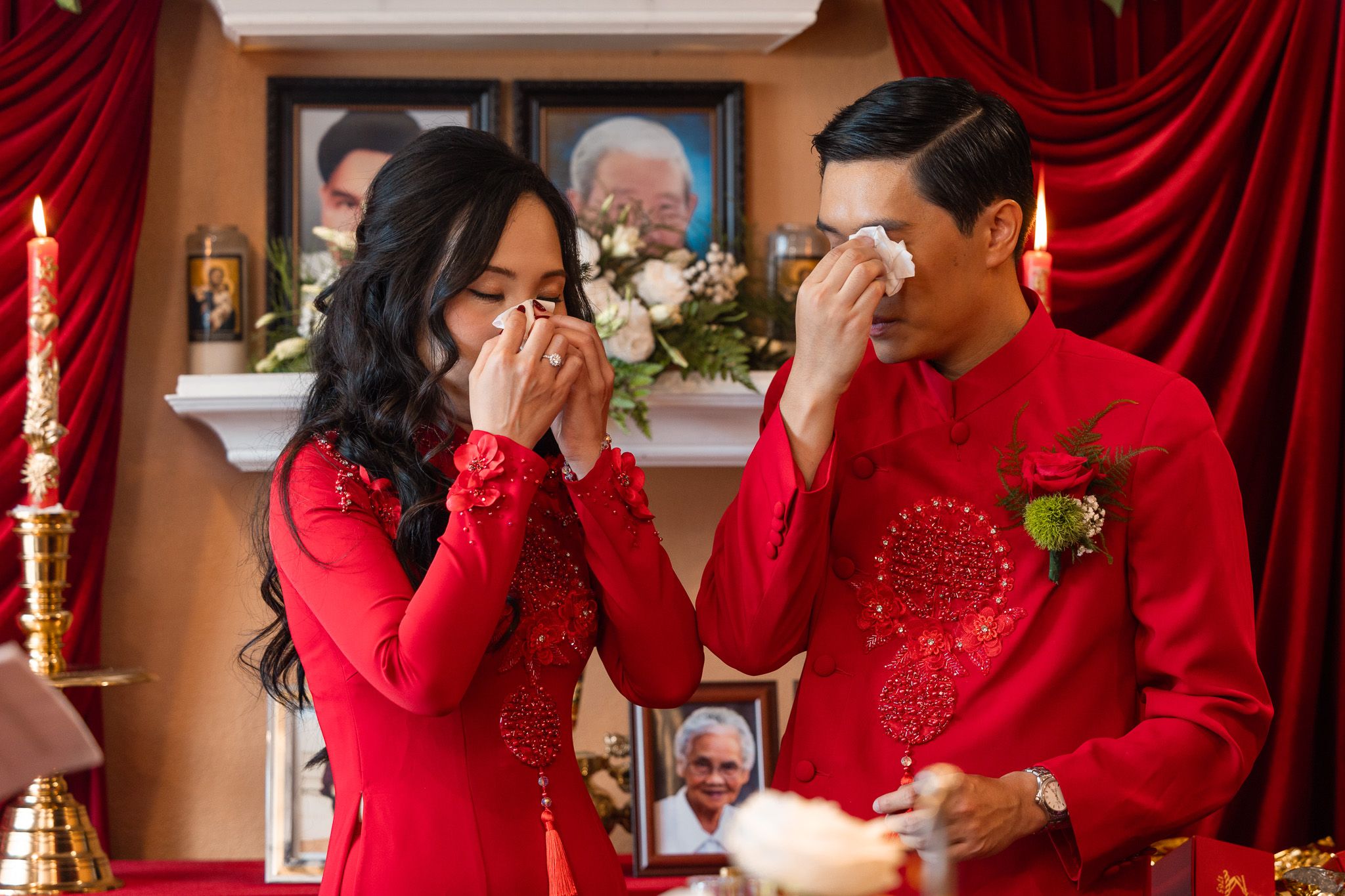
As a wedding photographer, the tea ceremony will always hold a special place in my heart.
This is where I witness the tears that aren't performed for the camera. The smiles that arrive unexpectedly. The trembling hands of parents trying to stay composed. The quiet glances exchanged between two families realizing their lives have become forever intertwined.
Two families gathered in the warmth of the bride's home. Friends filling every corner with laughter. No elaborate production. No distractions.
Just presence.
To me, these are often the most beautiful moments of a wedding—not because they're extravagant, but because they're deeply human.
Tea is no longer simply a satisfying beverage.
It is a cultural artifact.
It is gratitude passed from one generation to the next.
It is a language of acceptance.
It is the quiet beginning of a new family.
Perhaps that's why we cherish the tea ceremony so deeply at Henrik Studio.
Our photographs have never been about perfect poses alone. They're about preserving the traditions, emotions, and quiet moments that become a family's legacy. Long after the flowers have faded and the music has stopped, these are the memories that continue to speak.
So whenever you visit Henrik Studio, don't be surprised if you're welcomed with two things before we ever pick up a camera:
A warm hug.
And a cup of tea.